
Long Grass
What can you do with it?

In the same way that nearly every great movie ends up with a sequel, so the No Mow May campaign should probably end up with a sequel too. It’s what people are calling Too Soon June in reference to the fact that cutting down grass habitats in June is premature for many plants and insects.
Indeed that’s been a major flaw with No Mow May from the outset; encouraging the sort of wildlife that likes long grass habitat for a month in spring and then cutting it all back as soon as the calendar turns over is at best very mean. It screams of tokenism, and quite frankly we can do better. If we want to encourage wildlife into our gardens then we should actually go ahead and do it, not just follow fashions and trends. A conscious effort to create habitats in our gardens does not need to be earnest or difficult.
Those of you who have been so kind to read my ramblings and witterings for a while will know I’m not scared to stick my neck out and touch on controversy. So here it comes...
Unless your garden is the size of a small county you cannot hope to create lots of meaningful habitats and have a garden for yourself. You can devote your whole plot to wildlife, as some gardeners do, and turn your outdoor space into a private nature reserve. There are huge advantages to this if wildlife is your principle interest; your garden is a place that you control, and can be made into a suitable habitat at your discretion. It’s always struck me as ironic that when nature reserves are created the first thing they do is to build a car park and visitor centre. Nature doesn’t want people disturbing it. No matter how lightly you tread in a natural environment it is not possible to avoid the fact that you are a part of your surroundings, and as humans we are all just large potential predators to the fauna around us, no matter how noble and pure our intentions.
If you’re interested in wildlife and willing to turn your garden over to nature then by all means do it, especially if you have a full time job and other things to do with your life. If you’re only in your garden a few hours a week then that will provide exactly the sort of peace and quiet nature loves. Don’t think you can just leave the garden and tell everyone it’s for nature though; nature is ever-changing and even nature reserves undergo corrective maintenance to keep them in prime condition. A wetland reserve for example, such as the fine example at Slimbridge in Gloucestershire, would be overrun by reeds and other aggressive water plants over time without intervention.
Without intervention habitats are often transient; a pond fills up with water plants and silt until it becomes a boggy bit of ground. Over time that ground is colonised by grasses, nettles and so on, then shrubby plants and trees. This pond is ultimately lost but elsewhere natural processes are forming a new pond, and so the cycle continues. Human activities interrupt the processes of creating new habitats, which is why it’s important that we protect and conserve the ones we’ve got.
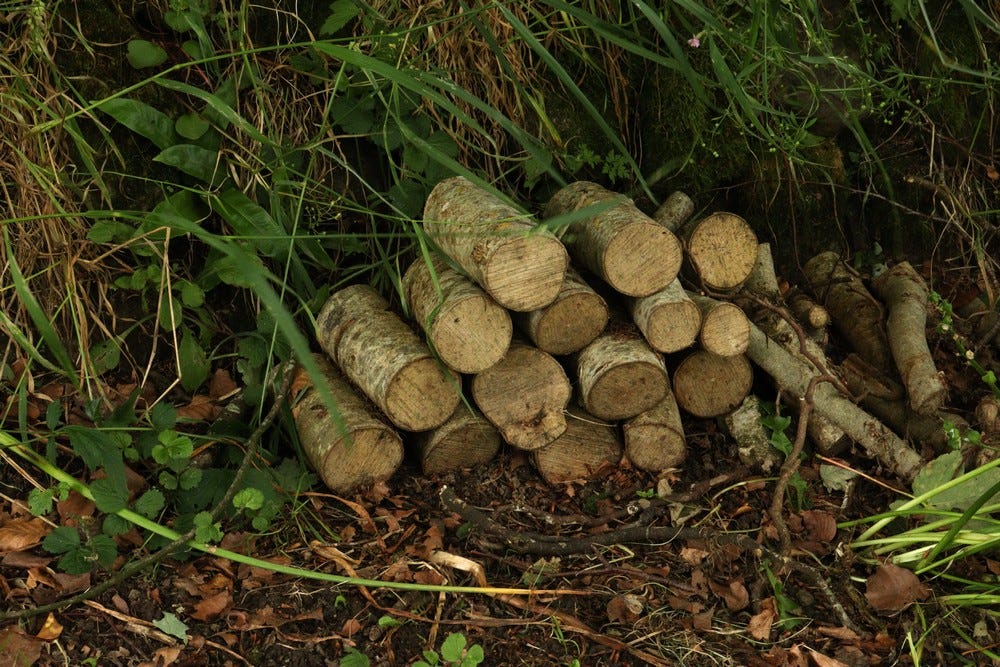
In a smaller space, such as a garden, it is more important to create good quality habitats than to be all things to all creatures. Trying to fit a shaded log pile for woodland insects, a sunny south-facing sand hill for ground-nesting bees, a meaningfully-sized pond and all the other habitat options out there in a small space is impossible to do well. Even in a large garden it would be challenging. No, instead see what is feasible and what works for you and do that to a high standard. This is the big thing behind trying to make gardening with nature popular; if you do one thing, your neighbour does another and then someone else nearby does something else you create a really useful matrix of habitats.
To take a normal street in a normal town – whatever that means – one garden would be filled with woody plants for birds and mammals, one garden would be laid out to herbaceous plants and annuals that flower for a long season for summer insects, one garden would have lots of plants for winter but might not be so good in summer, one garden would grow lots of native plants, and one garden would have a nicely trimmed lawn.
A lawn? An appropriately maintained lawn, mown regularly but not frequently, with a few lawn weeds can have benefits to wildlife. Ground-nesting bees and wasps, for example, don’t do well with long grass. Likewise insect-feeding birds and bats often take advantage of the empty airspace to feed. Ordinary lawns, so beautiful in their rugged imperfection, can have advantages; it’s the heavily fed and treated monoculture lawns that are the environmentally dubious ones.
It’s what’s referred to as a mosaic of habitats – lots of different types of habitat rather than one big one. A nice big wildflower meadow is a beautiful sight but only works for those species that thrive in nice big wildflower meadows. The same principle applies to woodlands, ponds and any other habitats. Diversity of gardens means diversity of habitats, which in turn means diversity of wildlife.
On to long grass.
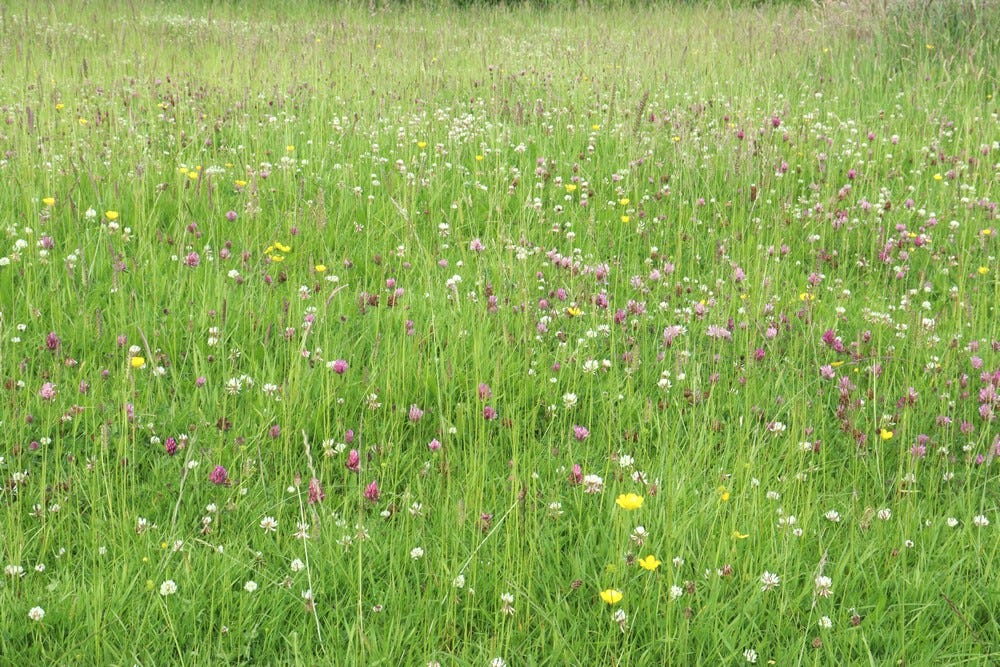
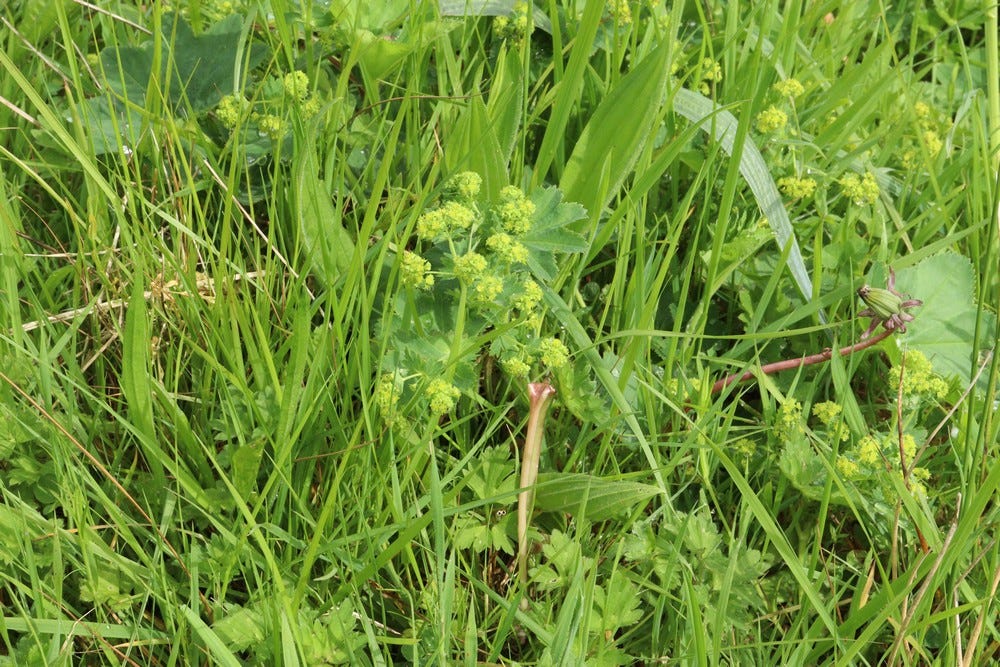
Leaving your lawn to grow long can yield lots of interesting plants, but it can also just give you long grass. Everything depends on the species already there and the underlying soil. Gardeners with poorer soils might find themselves enjoying a species-rich mini meadow, while those gardening on richer soils might very well find themselves with nothing more than lots of long grass. Proponents of No Mow May tend to heavily favour the success cases and quietly ignore the failures. Does this mean that if your lawn doesn’t yield a floral bounty that you should just give up?
Much depends on you as a gardener, and your personal tastes. Often resistance to leaving grass to grow is down to aesthetic values rather than some moral argument against nature. Regardless of how beneficial something is, if you don’t see beauty in it then you’re not going to value it. I’ve worked on this with several clients, working to find ways of creating pockets of ecologically beneficial habitat that suits the tastes of the clients. By far the most important thing to do when you’re allowing an area to grow long is to frame the area.
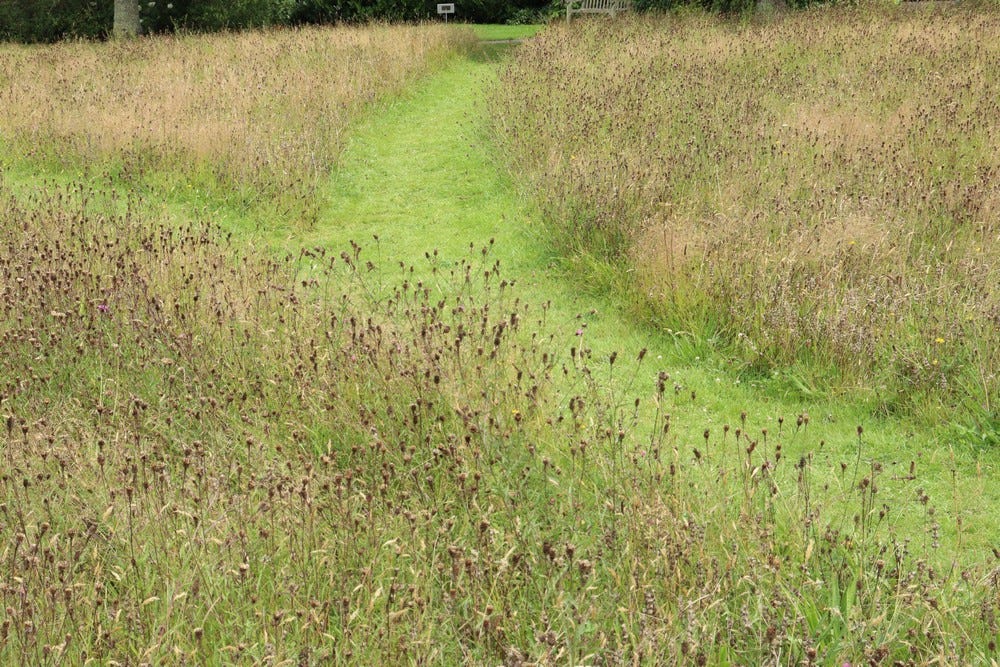
Long grass in gardens needs to look deliberate.
Mowing a path through, and keeping it mown, works really well. If your long grass adjoins an area of ornamental planting then mowing the line between the planting and the long grass makes it abundantly clear to anyone that this is a legitimate part of the garden and not simply an area you can’t be bothered to look after. Another way to make long grass look deliberate is to make clearly defined shapes; wildlife doesn’t care if the patch of long grass is square, round, oval, heart-shaped or anything else, so have fun with it.
If nature is disinclined to provide a nice selection of wildflowers – remember that soil type and local climate can have enormous impacts on what wants to grow for us – then the gardener may wish to add their own. The majority of our garden plants, or at least their ancestors, grow among grasses in the wild. Of course there is nuance to bear in mind; some plants will grow with smaller ‘fine’ grasses while others will grow with larger ‘coarse’ grasses. It’s probably fair to say that the bulkier and more robust the plant the more likely it will be to cope with competition from more aggressive grasses.
Spring bulbs are the easiest to use. Daffodils, tulips, even smaller bulbs like muscari, can all work well in grass. Of course the grass must be cut short for the winter or you’re unlikely to see your bulbs in spring; this is an important consideration for wildlife gardeners who will want to leave at least some long grass over winter for insects, mammals and amphibians to hibernate in. While it’s perfectly fine to allow grasses to grow up to and above the flower level once the plant has finished, you really do want your flowers to be visible.
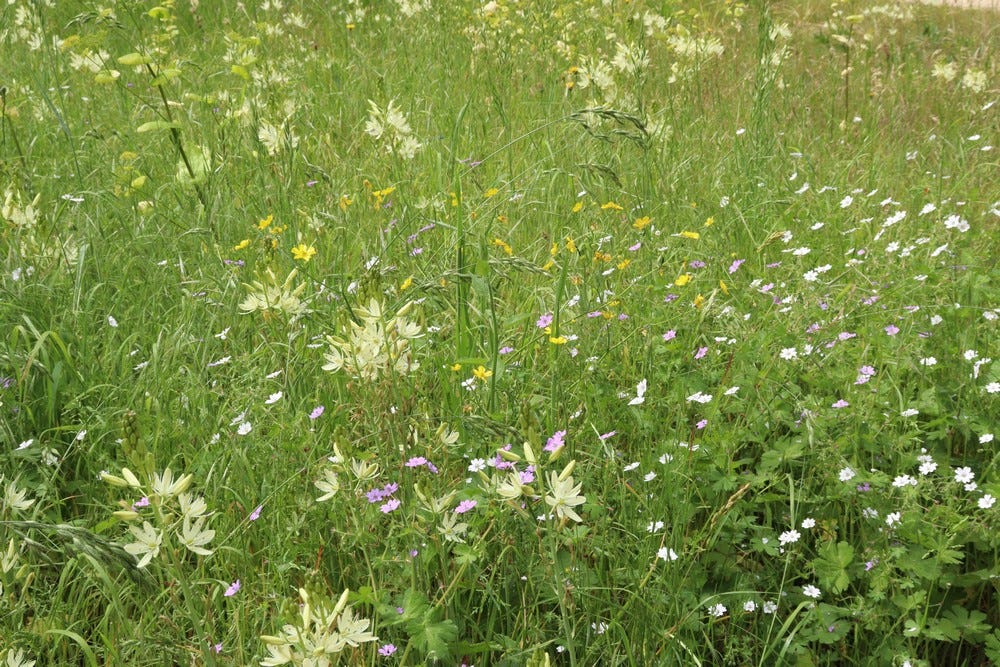
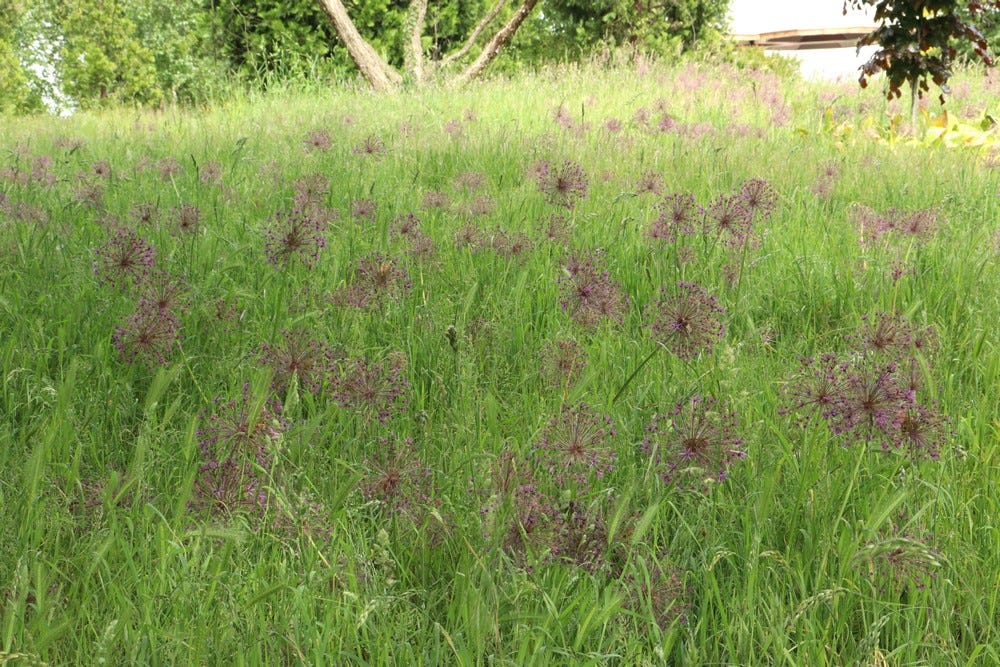
This leaves us with long grass not doing much from late spring onwards. The popular bulbs to extend the season of interest are the taller camassias, whose spires of blue or white tower above lengthening grass for about a month from the middle of April. Camassias like seasonally wet soils, so at the Royal Horticultural Society’s notoriously dry garden at Wisley they’re growing alliums, ornamental onions, in their rough grass. I quite like the idea – the round balls of flowers look great and so do the seedheads later – and I wonder if, with the right allium in the right conditions, the idea couldn’t be tried in wetter climates and in gardens with coarser grasses. They would have to be the more robust alliums already known to grow in damper areas and richer soils: Allium ‘Purple Sensation’ and Allium siculum would be two good choices to try.
Yet bulb season seldom goes far beyond midsummer. You could cut your grass at this point, assuming you didn’t want the alliums to set seed later. I’ve been experimenting with a cultivated form of our native bistort to add a bit more excitement to grass. Bistorta officinalis ‘Superba’, which used to be known as Persicaria bistorta ‘Superba’, is a plant of such enhanced vigour that I don’t really trust it in the borders. It runs and seeds about quite happily in a great many gardens, those away from the hotter and drier areas where its fun and games are severely curtailed by the difficult climate. This arguably aggressive behaviour in the border makes it a perfect candidate for use in long grass.
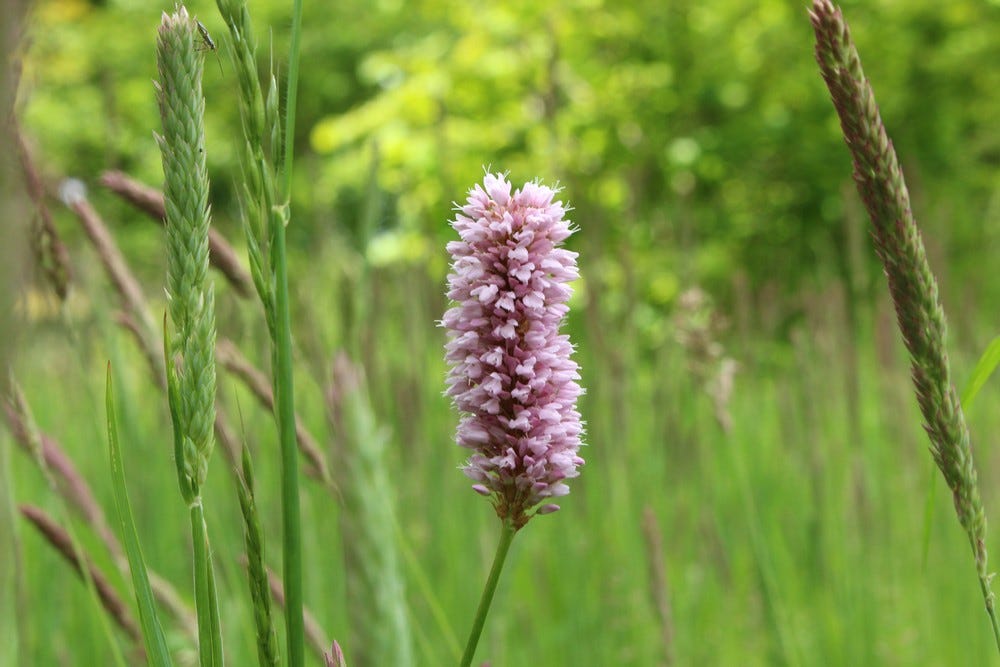
I parted company with the first garden where I tried this plant in grass, but I’ve been experimenting with it elsewhere too. So far so good. If this bistort does well in long grass then might others? Certainly the larger old forms of Bistorta amplexicaulis show potential here; imagine thin spires of red flowers emerging from long grass in late summer... sounds good to me.
Other options would include lupins, baptisias, the larger astilbes, the larger species and varieties of aruncus, certain asters, the older leucanthemums, solidago and anything that has a reputation for being a bit pushy in the border and can hold its flowers above the level of long grass. I wouldn’t use all of these together, but instead choose the ones you think would work well. The key when choosing potential plants for long grass is to consider the pace of growth. Plants that self-seed are fine, as are those with a rapidly spreading habit. I’ve even seen some mints thriving in long grass!
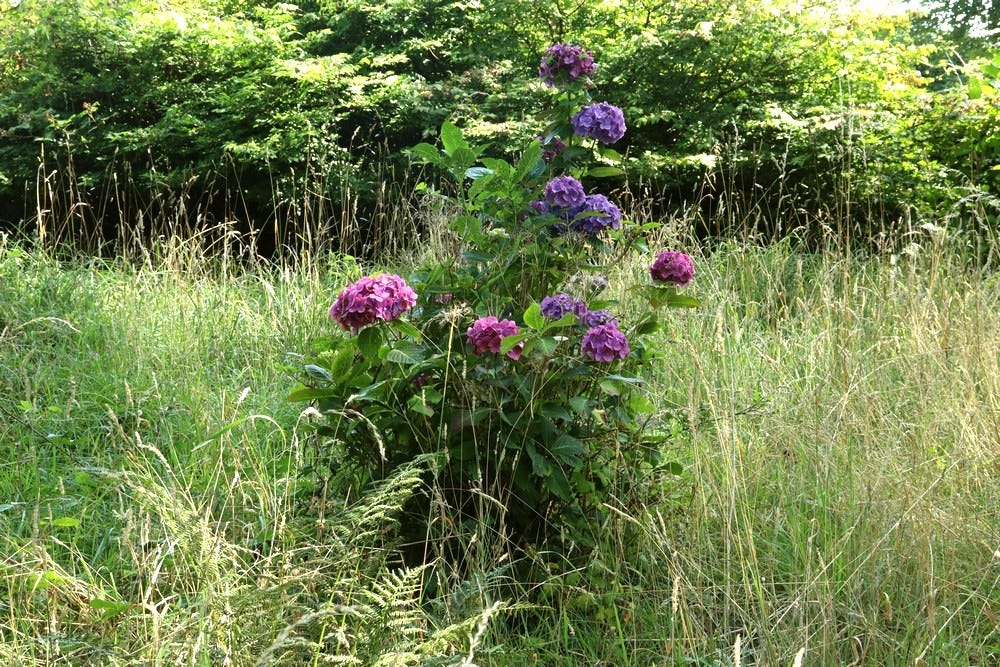
Shrubs like deutzias, philadelphus, hydrangeas, the wilder roses and many rhododendrons can make interesting subjects for long grass. We know – it’s deep in our collective gardening psyche – that these plants should be arranged neatly in borders and groups. Growing them in rough grass seems wrong, subversive even, but the juxtaposition between the mass of a shrub and the softness of the grass can be interesting. In gardens with rough areas, growing shrubs with shorter flowering seasons in this way can allow the gardener to grow them and enjoy them without handing over prime space to plants that only flower for a few weeks of the year.
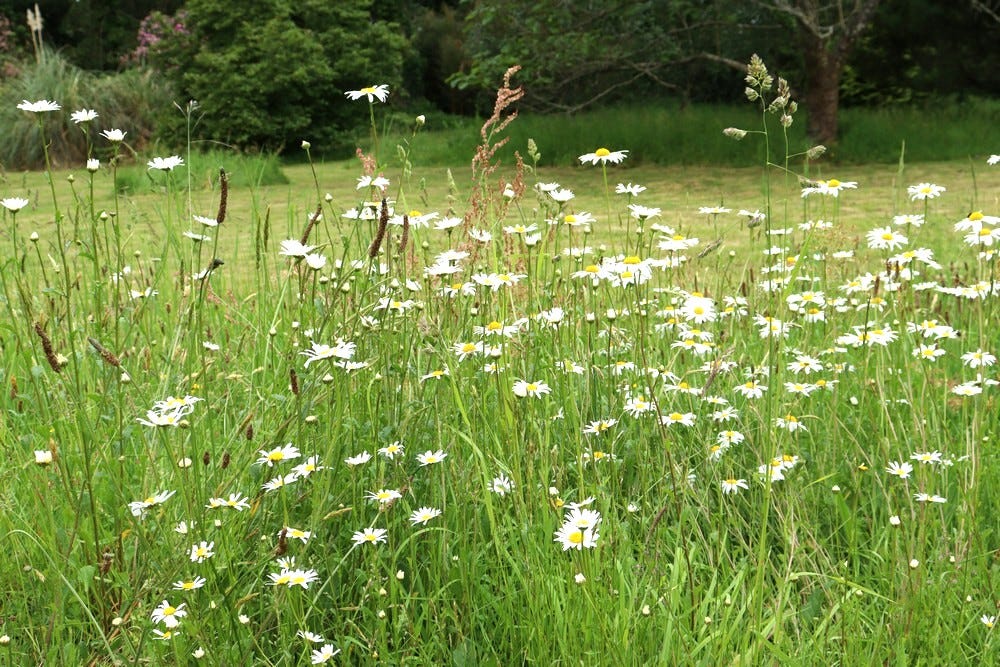
This is not to say that I’m averse to using wildflowers of course, but when we’re dealing with rich soil and damper climates the number of pretty wildflowers for summer drops off quickly. Docks and nettles, Rumex and Urtica respectively, are wildflowers that thrive in richer soils; they’re not exactly what we have in mind when we think of wildflowers. There are some generalist species that do well. Ox-eye daisies, Leucanthemum vulgare, can be a bit too enthusiastic when grown in combination with more delicate meadow plants, but that enthusiasm comes in quite handy when the species is up against coarse grasses. I find black knapweed, Centaurea nigra, works well here in wet Devon, as does common valerian or Valeriana officinalis. The latter can also be a useful substitute for Verbena bonariensis in some gardens.
Whatever you plant in long grass it’s worth digging a decent piece of turf away to let your chosen plant or plants get started. Competition too early in their lives is difficult and increases the chance of the plants failing. Give them a head start; if they’re up against rough grasses then they’ll need it.
Working with long grass can be aesthetically pleasing and have ecological benefits, but are there any downsides?
When you invite nature into your garden you have to accept that you can’t just welcome the nice bits and keep the unpleasant bits out. Long grass is beneficial to a wide range of insects, many of which are lovely but some of which are not. Biting insects love long grass too; sheep and deer ticks can make themselves at home in long grass, and as we enter horse fly season I curse any grass longer than two inches. For anyone unfamiliar with horse flies, let me explain. They’re not much bigger than a normal fly, but to get to your blood they rip through your skin. Their bites are very painful and irritating, and you’ve got to be ready to squash them as soon as they land on you or you will be bitten. You can imagine how much ‘fun’ this when you’re trying to work, especially with machinery that demands the use of both hands.
You might be tempted to think of keeping long grass as a way to save time and money. While it’s true that you do make savings when you’re not mowing an area it doesn’t really save much, if any, time and money over all. Rather than skimming over an area to keep it short you need different tools and methods to clear long grass. Cutting, collecting and removing long cut grass is hard work and time consuming. Arguably worthwhile, but still hard work and time consuming nevertheless. If you go down this route it’s important that you’re happy with what you’re doing, as it can be challenging to get things back to how they were if you change your mind.
My advice for long grass is to do anything and everything to make it work for you.
Very interesting Ben. As you know we have a “magic circle” which should have been a wildflower meadow. Many, many £s have been spent on wildflower meadow mix seeds but very few seeds have coped with the vigorous grass, lots of wildflower plug plants have given up and all but the toughest of things have flown the white flag and surrendered to the grass. Meanwhile a few self seeders from elsewhere in the garden are loving it - Meadow Cranesbill (Geranium Pratense) made its own way to the circle and is spreading happily, Scabiosa have also held their own alongside Sorrel, Dock and Red Campions which I’ve grown from seed and planted there. We also get a number of impressive thistles turn up, Ragwort and Knapweed - all welcome.
I’m sure if the magic circle was covered in poppies, cornflowers and chamomile it would look splendid but I actually quite like the less pretty flowers which have made their home there, Sorrel (Rumex Acetosa) is actually beautiful when the dewy seedheads gently bob in the breeze and many of the less lovely plants are food sources for moth and butterfly caterpillars.
Thank you for this very informative piece. You put the NoMowMay into perspective. Lots of great ideas here.🌱